

In a world exactly where visual appeal takes on a crucial role in our everyday selections, food photography holds out as an artwork form in its own right. Together with social media platforms overflowing with mouthwatering photos and brands vying for attention, understanding what makes some sort of food photograph genuinely captivating is important. Whether you are a budding food photographer, a restaurant owner, or the culinary enthusiast, realizing the key factors that elevate food photography can change how we perceive and capture these delicious dishes.
Capturing flavor via the lens demands a keen vision and an comprehending with the essential substances that add up to be able to create stunning image. From lighting in addition to composition to coloring and texture, every single detail contributes to the entire appeal of a food photo. In this post, we will explore precisely what to look with regard to in food photography, equipping you along with the insights to be able to identify high-quality looks that make your tastebuds tingle in addition to draw you within for a better appearance. Let’s dive in to the world associated with food photography and uncover the tricks behind those alluring images.
Essential Elements involving Food Photography
To produce exciting food photography, typically the composition plays some sort of crucial role. The well-thought-out arrangement regarding food items not merely highlights the primary dish but likewise enhances the general visual appeal. Look at the rule regarding thirds when surrounding your shots, because it can prospect to a more well-balanced and captivating graphic. Experimenting with sides, such as cost to do business shots or close-ups, may also draw consideration to different designs and details that will make the plate enticing.
Lighting is another essential element that will can make or break some sort of food photograph. All-natural light is often preferred, as this creates a gentle and flattering seem. Ideally, shoot around a window to capture the desired light. Avoid harsh, primary sunlight that can forged unappealing shadows. Utilizing reflectors may help bounce light and illumine darker parts of the dish, highlighting their colors and construction without overwhelming it.
Colour saturation and vibrancy are key components in achieving delicious food photography. Wealthy, saturated colors may make the food appear fresher and much more inviting. Incorporate colourful garnishes or part elements to put visual interest plus contrast. Additionally, considering the background and props used can enhance the dish and even enhance its business presentation. A clean, clean background allows the food to take center stage, while thoughtful props can reveal the theme or context of the meal.
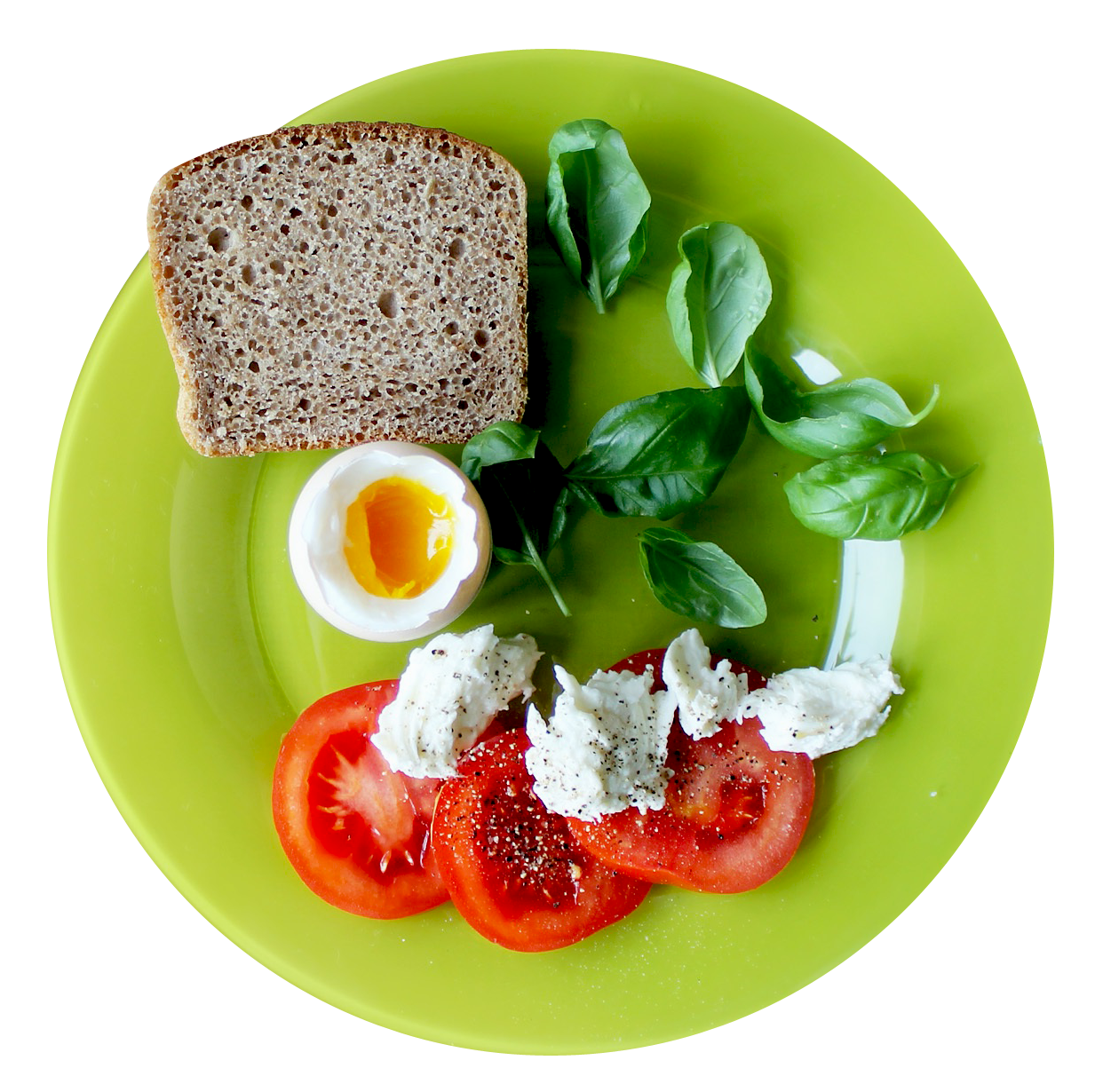
Recognizing High-Quality Food Photos
When assessing food photography, one of the first items to try to find is typically the composition. A well-composed image must have the clear focal stage, guiding the viewer's eye towards typically the dish. Techniques many of these as the principle of thirds will enhance the visual attractiveness, creating a balanced and engaging arrangement. Additionally, negative space can play a critical role, enabling the food to stand out while offering a sense associated with elegance and simpleness.
Lights is another necessary element that helps make food photography genuinely shine. Natural light is often recommended, as it provides out the real hues and textures associated with the dishes. Try to find images that catch soft, diffused lighting, which can stimulate a sense of warmth plus freshness. Shadows in addition to highlights should match the food, putting depth and dimensions without overwhelming typically the subject. Be Food Photography West Yorkshire of just how light interacts with the particular surface of the particular food along with the total mood it creates in the image.
Lastly, using color and feel can make a significant difference within the impact of food photography. High-quality photos often showcase attractive colors that create the dish look appetizing and inviting. Texture plays a crucial role while well; an photo should convey typically the mouthfeel of the particular food, whether it’s the crunch involving a fresh greens or the frothy richness of some sort of dessert. Seek out photos that successfully highlight these visual characteristics, as they contribute significantly to typically the overall appeal involving the food.
Key Functions for Stunning Photographs
Whenever evaluating food photography, lighting is one of the most critical aspects to consider. Natural light often brings about the greatest in food, featuring textures and colours in a way that will artificial light can struggle to reproduce. The ideal situation is usually to photograph close a window throughout golden hour, where soft, diffused light adds warmth and richness to pots and pans. Shadows should boost the image with no overwhelming it, generating depth that comes viewers to the scene.
Formula plays an important function in the image storytelling of food photography. A well-composed shot guides the viewer's eye plus accentuates the food's appeal. Consider the particular rule of thirds to produce balance, plus don't shy apart from unique sides, such as cost to do business or close-up photos, that showcase typically the dish's details. Including complementary elements, want utensils or garnishes, can add context and make the photograph feel complete although also inviting the viewer to the dining experience.
Finally, the application of coloring is vital in making food photography be noticeable. Vibrant colors can cause excitement and stimulate appetites, while different colors can give visual interest. Pay attention to typically the overall palette; it should feel cohesive yet dynamic. Moreover, textures matter—capturing the particular crunch of fresh vegetables or the creaminess of a marinade can evoke the particular sensation of preference, making it the irresistible visual meal for the audience.
Suggestions for Effective Food Photography
To create beautiful food photographs, lighting is paramount. Natural light often yields the most effective results, so this is advisable to be able to shoot near glass windows during daylight. Stay away from harsh sunlight that will can create unpleasant shadows; instead, aim for diffused light that softly highlights the particular food's texture in addition to color. Experiment using different times involving day to find the perfect lighting that makes the food pop while maintaining an organic appearance.
Composition plays a new crucial role within food photography. Consider the arrangement with the elements on the plate and in the frame. Utilize the rule associated with thirds to create balance and intrigue in your shots. Put props, such since utensils or textiles, to complement the particular dish without overwhelming it. Vary your angles; top-down photos work well for flat lays, although eye-level shots can make the person feel more attached to the meals.
Last but not least, concentrate on the details that evoke cravings and emotion. Capture the steam growing from a sizzling dish, the glistening sauce, or the vibrant colors regarding fresh ingredients. Like close-up shots may also emphasize designs, making the food appear even more enticing. Always maintain in Food Photography Leeds would like to explain to with your photo—whether it's a comfy home-cooked meal or perhaps an elegant dining experience—ensuring that each element contributes to the complete narrative.